All Articles
Understanding Knockdown Stitches in Machine Embroidery
Date Posted:1 July 2026
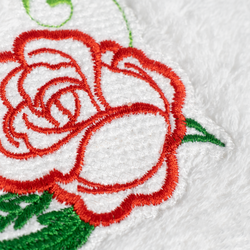
If you've ever embroidered a towel, fleece or another textured fabric, you may have noticed the fibres of the fabric showing through or covering parts of your embroidery.
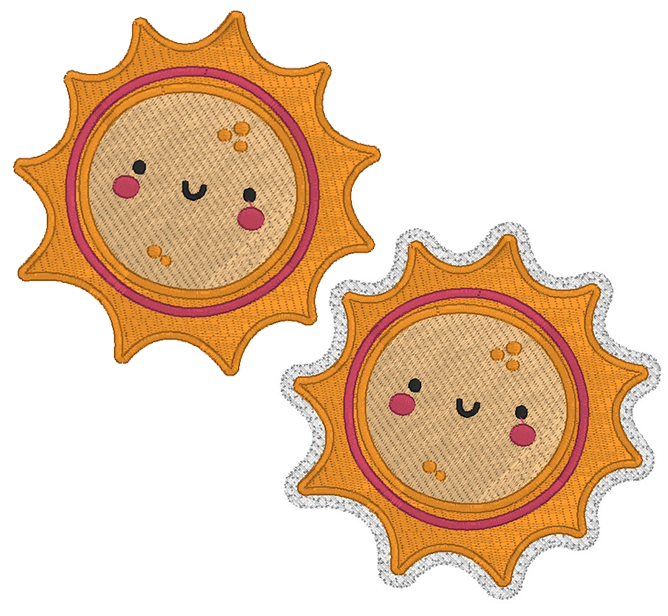
A knockdown stitch, also sometimes referred to as a laydown stitch, is a light layer of stitching placed underneath an embroidery design to flatten the pile or nap of the fabric and create a smoother surface for the embroidery.
It can make a significant difference when embroidering lettering, monograms and more open designs onto textured fabrics.
How Does a Knockdown Stitch Work?
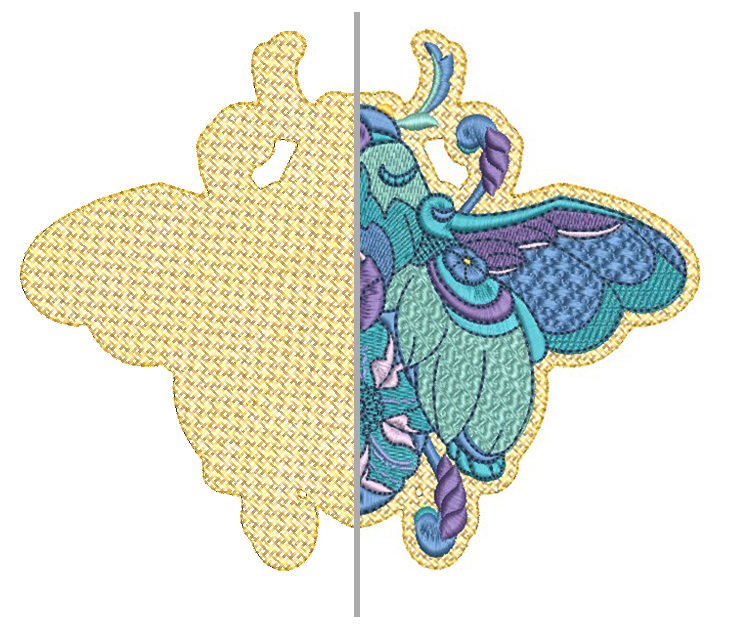
A knockdown stitch is usually a very open fill that follows the general shape of the embroidery design and extends slightly beyond its edges.
It stitches before the main embroidery design, flattening the fibres beneath and around the area being embroidered.
The embroidery then stitches over the top.
The knockdown thread is usually chosen to closely match the colour of the fabric. This helps the knockdown stitching blend into the background rather than becoming part of the visible design.
When Should You Use a Knockdown Stitch?
Knockdown stitches are particularly useful on fabrics with a raised pile, nap or textured surface, including:
- towels and terry cloth
- polar fleece
- minky
- fluffy or plush fabrics
- other heavily textured materials
They are especially helpful for lettering, monograms and open embroidery designs, where fabric fibres can otherwise work their way between or over the stitches.
A dense, fully filled embroidery design may not benefit as much because the embroidery itself already covers much of the fabric.
Knockdown Stitch vs Underlay
Although both stitch underneath the main embroidery, a knockdown stitch and underlay aren't quite the same thing.
Underlay is generally part of the construction of individual embroidery objects. It supports the top stitches, helps stabilise the fabric and can improve coverage and definition.
A knockdown stitch is generally created beneath a larger section or the entire embroidery design specifically to flatten the surface of a textured fabric.
Think of underlay as supporting the embroidery stitches, while a knockdown stitch is primarily controlling the fabric texture underneath and around the design.
If you're unfamiliar with underlay and the role it plays in an embroidery design, see our Understanding Underlay in Machine Embroidery Designs guide.
Do You Still Need Topping?
A knockdown stitch can greatly improve embroidery on textured fabrics, but it doesn't necessarily mean you should stop using topping.
Topping helps prevent embroidery stitches from sinking into the fabric, while a knockdown stitch physically holds down the pile surrounding and underneath the design.
Using both can produce an especially clean result on towels and other high-pile fabrics.
If using both, you can stitch the knockdown first, then place the topping over the fabric before continuing with the main embroidery. This can also make the topping easier to remove because it isn't trapped beneath the knockdown stitches.
Not sure which topping or stabilizer to use? See our Guide to Embroidery Stabilizers and Backings for more information.
Don't Make the Knockdown Too Dense
The purpose of a knockdown stitch isn't to completely cover the fabric with thread.
It should generally remain relatively open — just enough to hold the pile down and provide a smoother area for the embroidery.
Making it unnecessarily dense adds stitches, increases embroidery time and can make the finished area feel stiff.
If you're unfamiliar with how stitch spacing affects an embroidery design, see our Understanding Density in Machine Embroidery Designs guide.
Creating Knockdown Stitches in Embroidery Software
Some embroidery software can automatically create a knockdown or laydown stitch around an existing embroidery design, while others can be used to create a similar effect manually.
Embrilliance
Embrilliance Enthusiast includes an Add Knockdown Stitch function. The software automatically creates an open stitched area that follows the contour of the selected embroidery design and places it before the design in the sewing sequence.
Settings such as density, stitch length and how far the knockdown extends beyond the design can also be adjusted.
Hatch Embroidery
Hatch refers to this feature as Laydown Stitch.
The Laydown Stitch tool can create a light fill around an entire design or selected objects. Depending on the software version and level, settings including offset, stitch type, spacing, stitch length, angle and thread colour can be adjusted.
Brother PE-Design
PE-Design can also be used to create a knockdown effect.
One method is to use the Embroidery Patch tool to create an outline around the selected design, remove the satin border and apply an open fill such as a Net Fill. The resulting object is then moved before the main embroidery in the sewing order.
Video credit: Nuttall's Sewing Center
Whichever software you use, the principle is the same: create a light, open area of stitching that sews first and holds the fabric pile down before the main embroidery begins.
A Simple Addition That Can Make a Big Difference
Knockdown stitches are particularly useful when you want to embroider an open or delicate design onto a fabric that would otherwise overwhelm it. They don't replace the need for the correct stabilizer, good hooping or topping where required, but they provide another way to control difficult fabric textures.
If your lettering seems to disappear into a towel or the fibres of a fleece keep poking through your design, adding a knockdown or laydown stitch may be exactly what the project needs.
Knockdown Stitches Help & Resources
Want to learn more about creating knockdown or laydown stitches? We've provided links to information and instructions for some popular embroidery software.