What to Charge for Dye Sublimation Products
Date Posted:16 April 2026
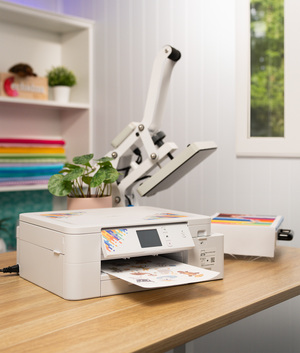
Pricing dye-sublimation products can feel overwhelming especially when you’re just starting out or transitioning from hobby to business. Charge too little and you risk burning out or losing money. Charge too much and you worry customers won’t buy.
The key is understanding your real costs, setting a fair profit margin, and pricing with confidence. This guide breaks down a simple, practical approach to pricing sublimation products so you can cover your expenses, pay yourself for your time, and grow a sustainable business.
Calculate Your Costs
Before setting a price, know exactly what it costs to produce each item. Include:
- Blank product cost: For example: $5 for a sublimation mug or $4 for a blank polyester T-shirt
- Sublimation ink & paper: Usually just a few cents per print, but factor it in
- Heat press energy & maintenance: Small but real — estimate a few cents per item
- Packaging & shipping materials: Boxes, mailers, bubble wrap, tissue paper, labels, tape, and any branded packaging
- Design time: If you create custom artwork or personalise designs, decide on an hourly rate for your time and factor this into each order
- Labor time: How long does it take to print, press, quality-check, pack, and ship?
- Platform and payment fees: Selling online? Remember to include transaction fees, payment gateway fees, marketplace fees
- Wastage, test prints, and errors: Allow for misprints, test runs, colour checks, and the occasional damaged blank. A small buffer helps protect your margins over time
- Business overheads: Sometimes we overlook things like software subscriptions, website hosting, marketing, insurance, and general business expenses. You may also need to factor GST into your pricing as your business grows and registration becomes required.
Add Your Desired Profit Margin
Once you know your total cost per item, it’s time to add profit.
A common profit margin for custom sublimation items is 50–100% above your costs, and often more for highly customised or unique items.
Example:
Your all-in cost for a mug is $6 (blank + ink + packaging + your time).
- 50% markup = sell for $9.
- 100% markup = sell for $12.
For one-of-a-kind or personalised products, customers expect to pay more. Custom work is premium work, so don’t be afraid to price it accordingly.

Research Your Market
Take time to research pricing in your niche.
- Look on Etsy and online marketplaces
- Check local competitors
- Browse small business websites selling similar products
What do others charge for similar items? You don’t want to be the cheapest option. Pricing too low can devalue your work and make your business unsustainable. Aim to be competitive while still allowing for a healthy profit.
Use a Simple Pricing Formula
A straightforward pricing formula is:
Total Cost per Item + (Total Cost x Desired Markup %) = Retail Price
Example for a T-shirt:
- Blank T-shirt: $4.00
- Ink, paper, electricity: $0.50
- Packaging materials: $1.00
- Labour and design time: $2.00
- Platform and payment fees: $0.75
- Wastage and test prints allowance: $0.50
- Business overhead contribution: $0.75
True cost per item: $9.50
If you apply a 100% markup:
- Profit: $9.50
- Suggested retail price: $19.00
Pricing Tip
Round prices to sensible retail numbers rather than exact calculations. Customers respond better to clean, confident pricing than awkward cents.
Don’t Forget to Include Shipping
Decide whether you will:
- Offer free shipping and build it into your product price, or
- Charge shipping separately at checkout
Many customers are drawn to free shipping, even if the cost is included in the product price. Whichever option you choose, clarity is key.
Revisit Prices Regularly
Pricing should be reviewed regularly, not set once and forgotten.
- As you become faster and more efficient, your costs may decrease
- If demand increases, you may be able to raise prices
- New expenses such as equipment servicing or packaging upgrades should always be factored in
Pricing dye-sublimation products is not about guessing or copying the lowest price you see online. It is about understanding your costs, valuing your time, and setting prices that support long-term growth.
When you price with confidence and intention, you are not just selling a product, you are building a business that can grow, adapt, and succeed.