All Articles
Choosing the Right Elastic for Your Sewing Project
Choosing the right elastic can make a big difference to the fit, comfort and finish of your sewing project. While many elastics look similar, they can behave differently when stretched or sewn.
The three most common types used in general garment sewing are braided, knitted and woven elastic. Each has different characteristics that make it better suited to certain applications.
Not sure which elastic to choose? Here's a simple guide based on what you're making.
The widths below are general recommendations. Always check your sewing pattern for the recommended elastic type and width.
Sleeves
- Recommended Elastic: Braided elastic
- Typical elastic width: 6–12 mm
- Narrows when stretched: Yes
- Application: Sewn into a casing
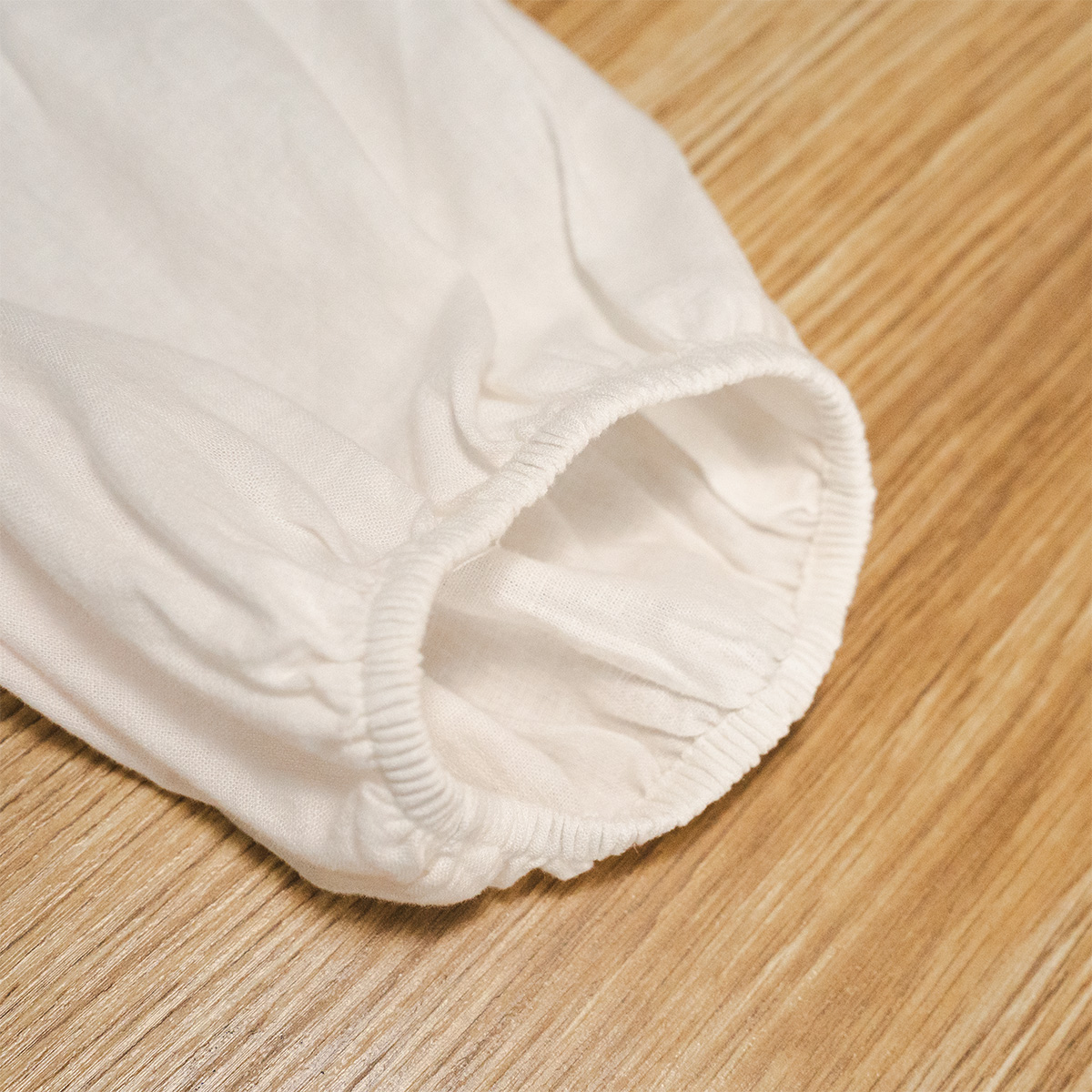
Braided elastic is a great choice for gathered or elasticated sleeves. It's lightweight, flexible and works well in narrow casings where a small amount of elastic is needed.
Because braided elastic narrows when stretched, it's generally best used inside a casing rather than sewn directly to the fabric.
Necklines
- Recommended Elastic: Braided elastic
- Typical elastic width: 6–12 mm
- Narrows when stretched: Yes
- Application: Sewn into a casing
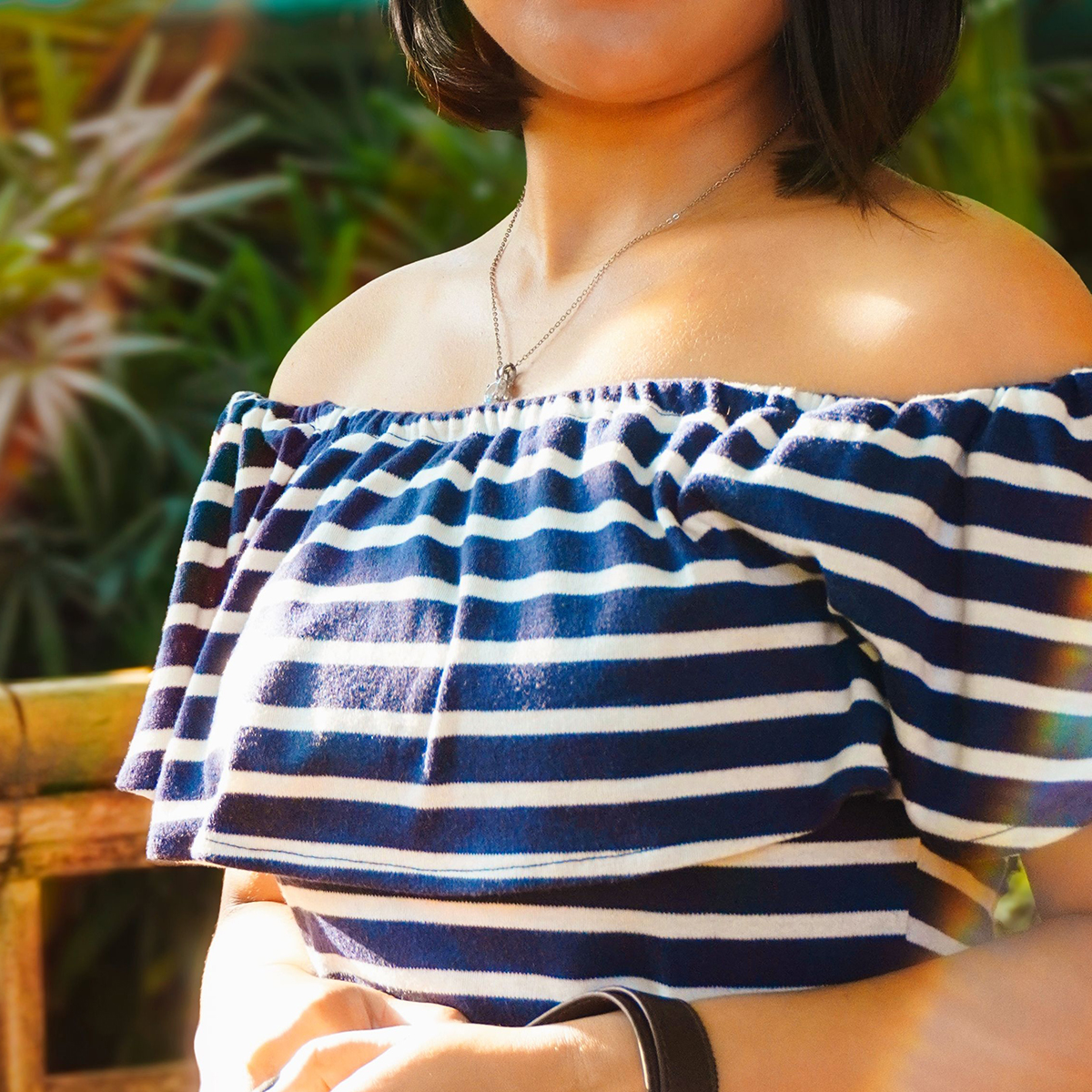
Braided elastic is well suited to gathered necklines where the elastic is enclosed inside a casing. Its lightweight construction allows the neckline to stretch while creating soft gathers.
As braided elastic narrows when stretched, it's generally not recommended for applications where the elastic is sewn directly to the fabric.
Scrunchies
- Recommended Elastic: Braided elastic
- Typical elastic width: 6–10 mm
- Narrows when stretched: Yes
- Application: Enclosed inside a fabric casing
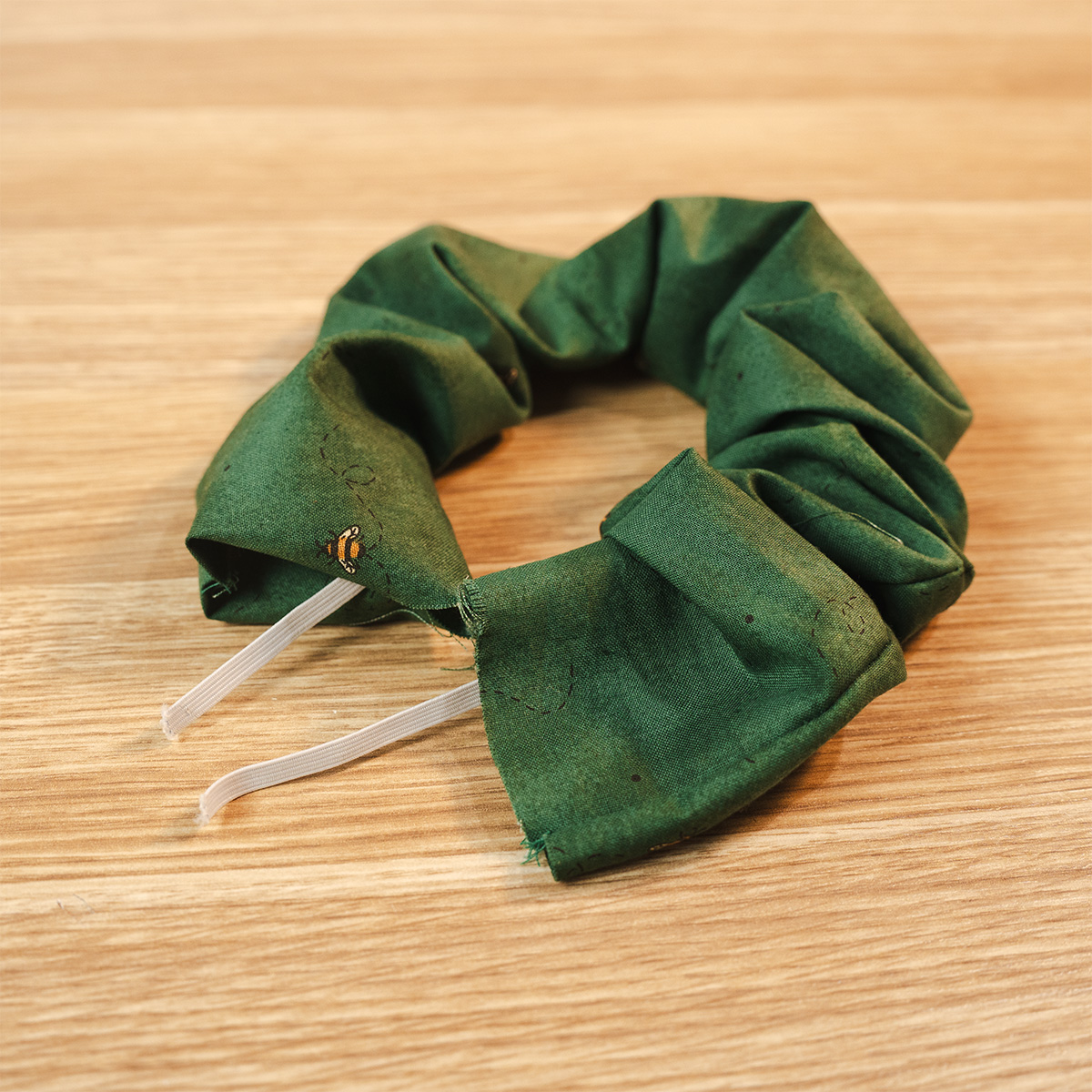
Braided elastic is a popular choice for making fabric scrunchies. Its narrow width and flexibility make it easy to thread through a fabric tube, creating the gathers needed for a soft, stretchy hair accessory.
Although braided elastic narrows when stretched, this isn't generally an issue because the elastic is enclosed inside the fabric.
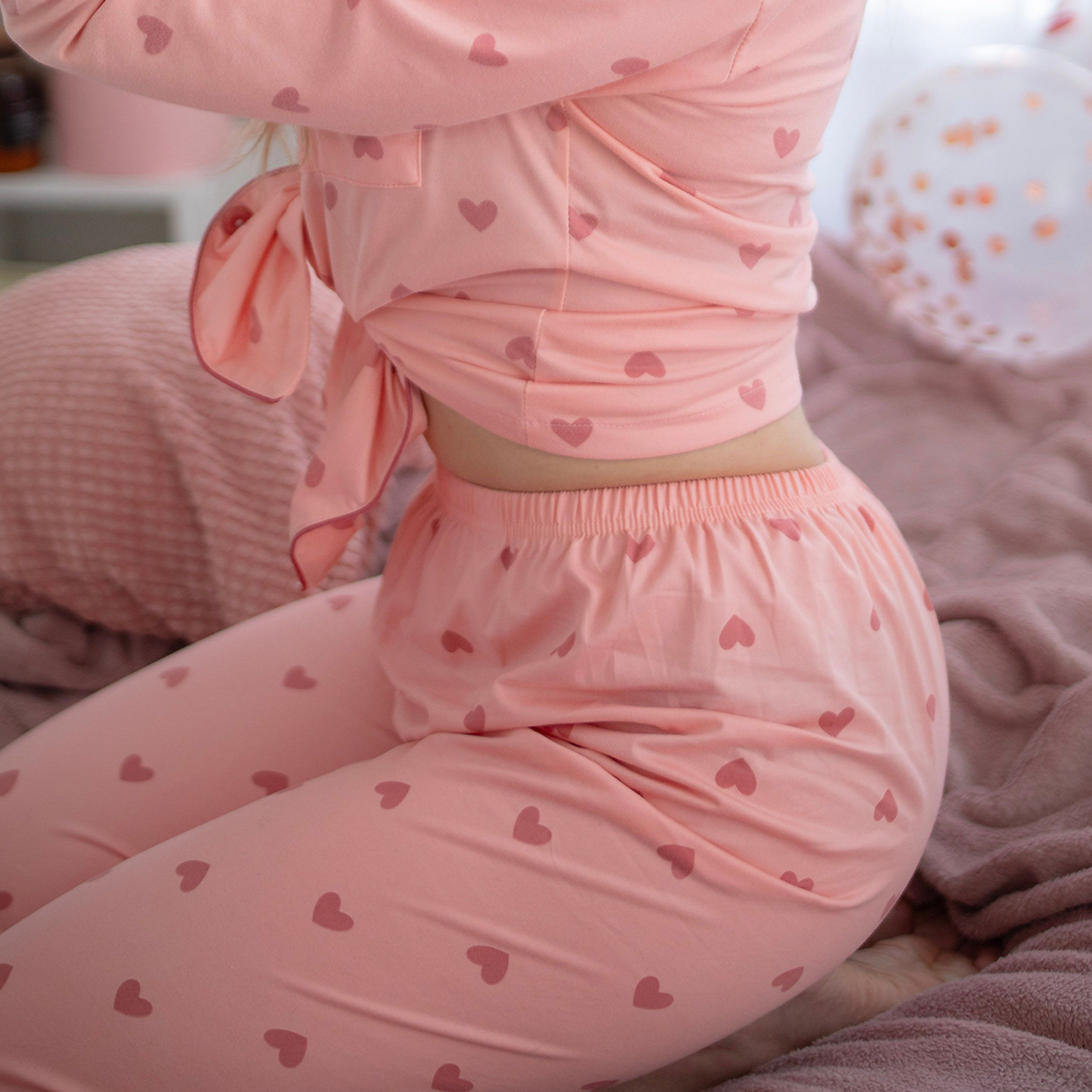
Pyjamas
- Recommended Elastic: Knitted elastic
- Typical elastic width: 20–40 mm
- Narrows when stretched: No
- Application: Sewn directly or enclosed in a casing
Knitted elastic is a great choice for pyjama waistbands. It's soft, comfortable and flexible, making it ideal for garments designed for relaxation and sleep.
Unlike braided elastic, knitted elastic generally retains its width when stretched and can be sewn directly to the fabric or enclosed inside a waistband casing.
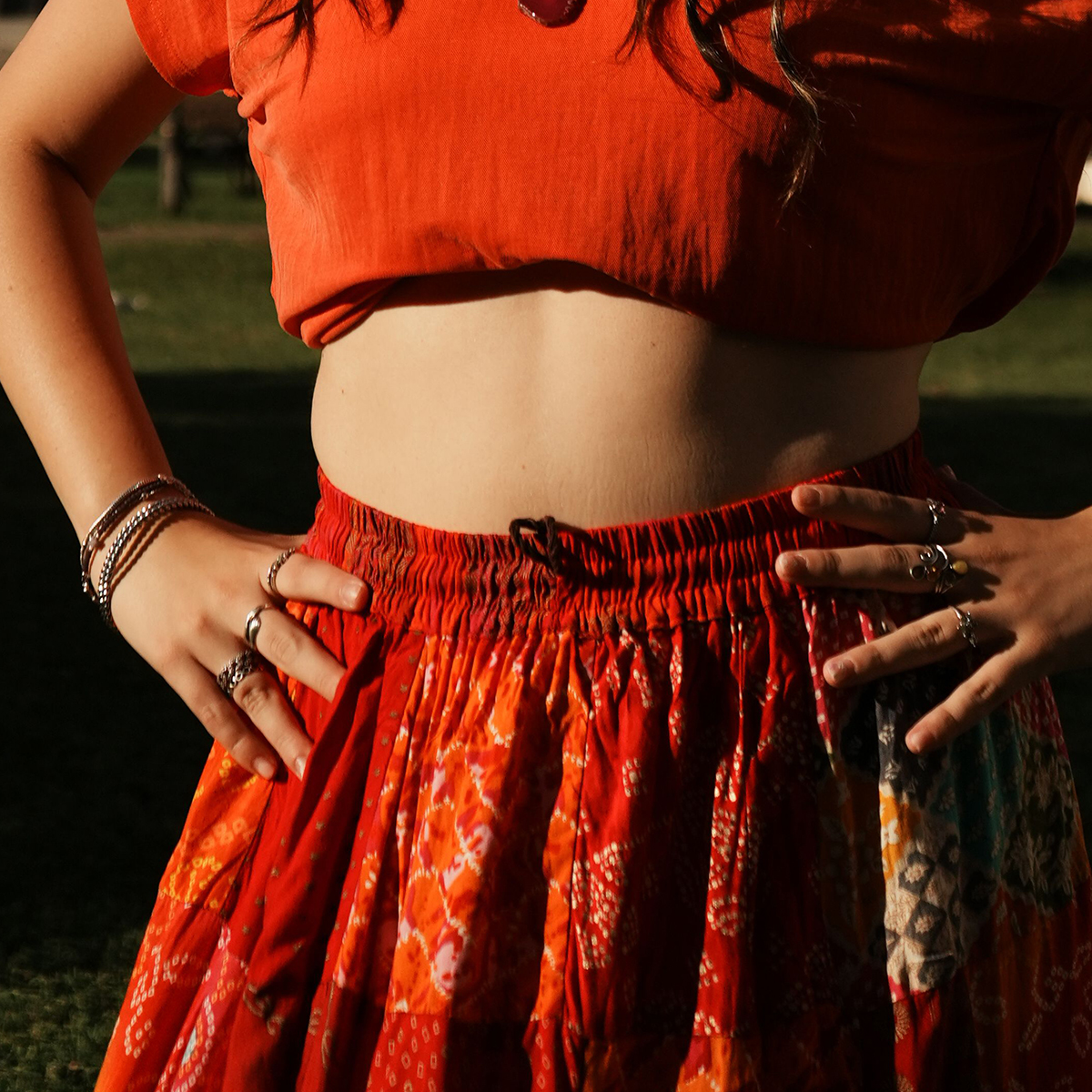
Pants, Shorts & Skirts
- Recommended Elastic: Woven elastic
- Typical elastic width: 25–50 mm
- Narrows when stretched: No
- Application: Sewn directly or enclosed in a casing
Woven elastic is a great choice for pants, shorts and skirt waistbands. Its firm, supportive construction helps waistbands maintain their shape while providing a secure and comfortable fit.
Unlike braided elastic, woven elastic retains its width when stretched and can be sewn directly to the fabric or enclosed inside a waistband casing.
What About Specialty Elastics?
While braided, knitted and woven elastics cover many everyday sewing projects, there are also specialty elastics designed for particular fabrics, garments and finishes.
- Fold-Over Elastic (FOE): Designed to fold around a fabric edge, providing stretch and a neat finish. Commonly used for underwear, headbands and activewear.
- Clear Elastic: A thin, transparent elastic commonly used to stabilise shoulder seams and other areas of stretch fabric without adding much bulk.
- Swimwear Elastic: Designed for swimwear applications, including swimsuit leg openings, necklines and waistlines.
- Lingerie Elastic: A soft elastic commonly used for underwear, lingerie and delicate garments, including suitable applications in infant clothing.
Shop Sewing Elastic
Ready to get started on your next sewing project? Explore our range of braided, knitted and woven elastics to find the right type and width for your needs.
Shop Now ›