All Articles
5mm vs 7mm Sewing Machines: What Does It Mean?
Have you ever gone to buy a new presser foot and been asked whether your machine is 5mm or 7mm, and had no idea what that actually means?
You’re not alone. This is one of the most common points of confusion when buying sewing machine accessories.
These numbers are not about the size of the presser foot itself. They refer to your sewing machine's capabilities. Choosing the wrong one can lead to broken needles, poor stitch quality, or even damage to your machine.
What Does 5mm, 7mm, or 9mm Actually Mean?
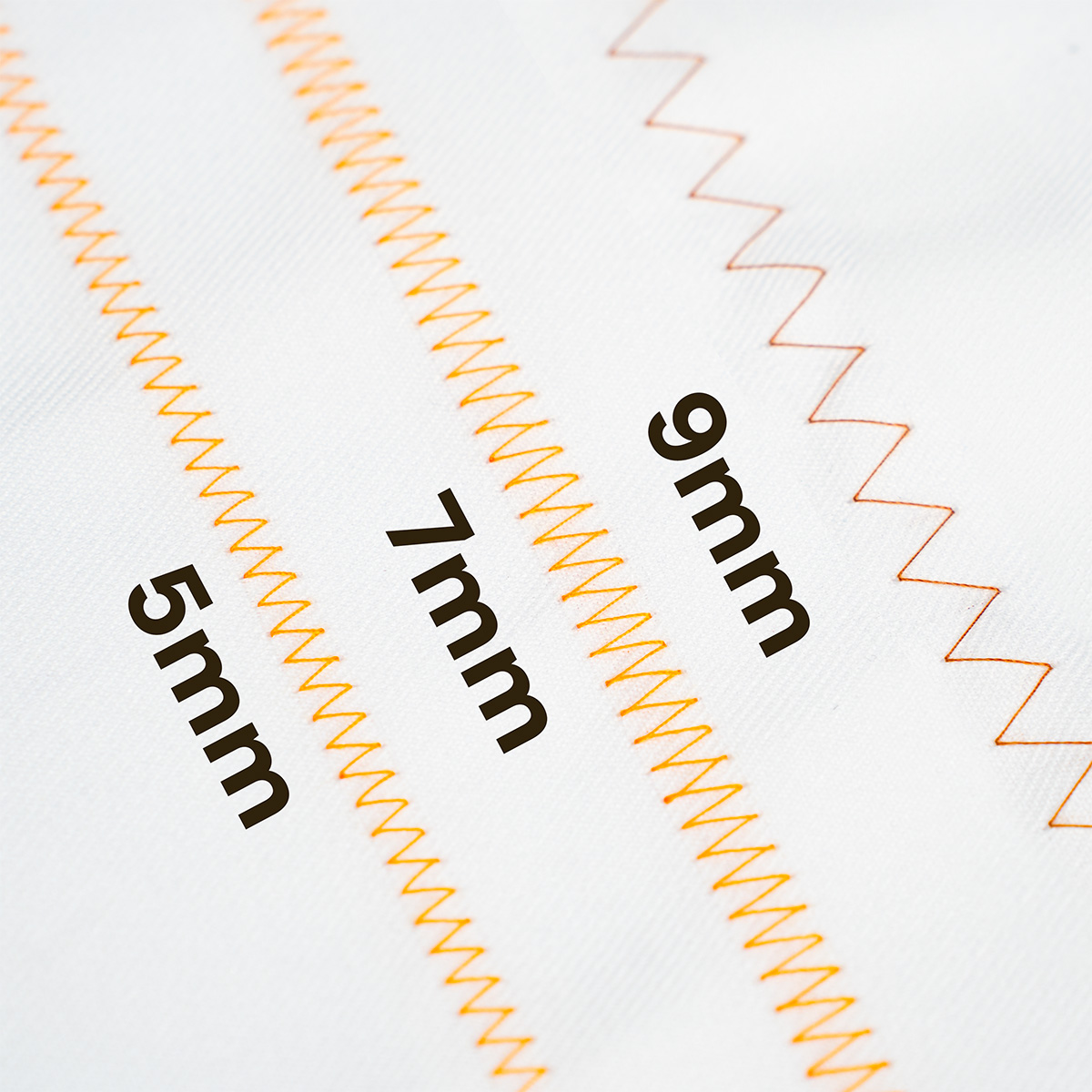
These numbers refer to your machine’s maximum stitch width.
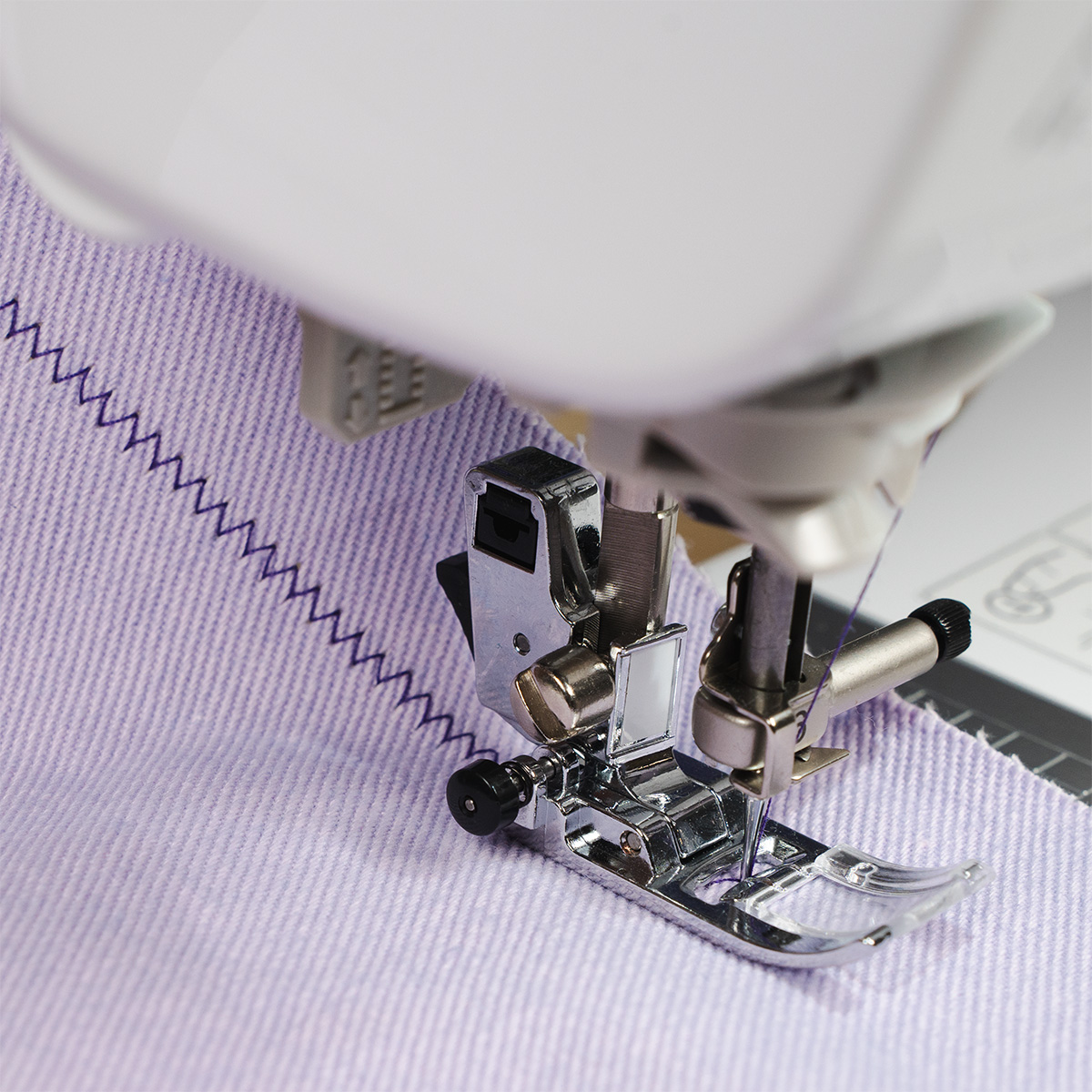
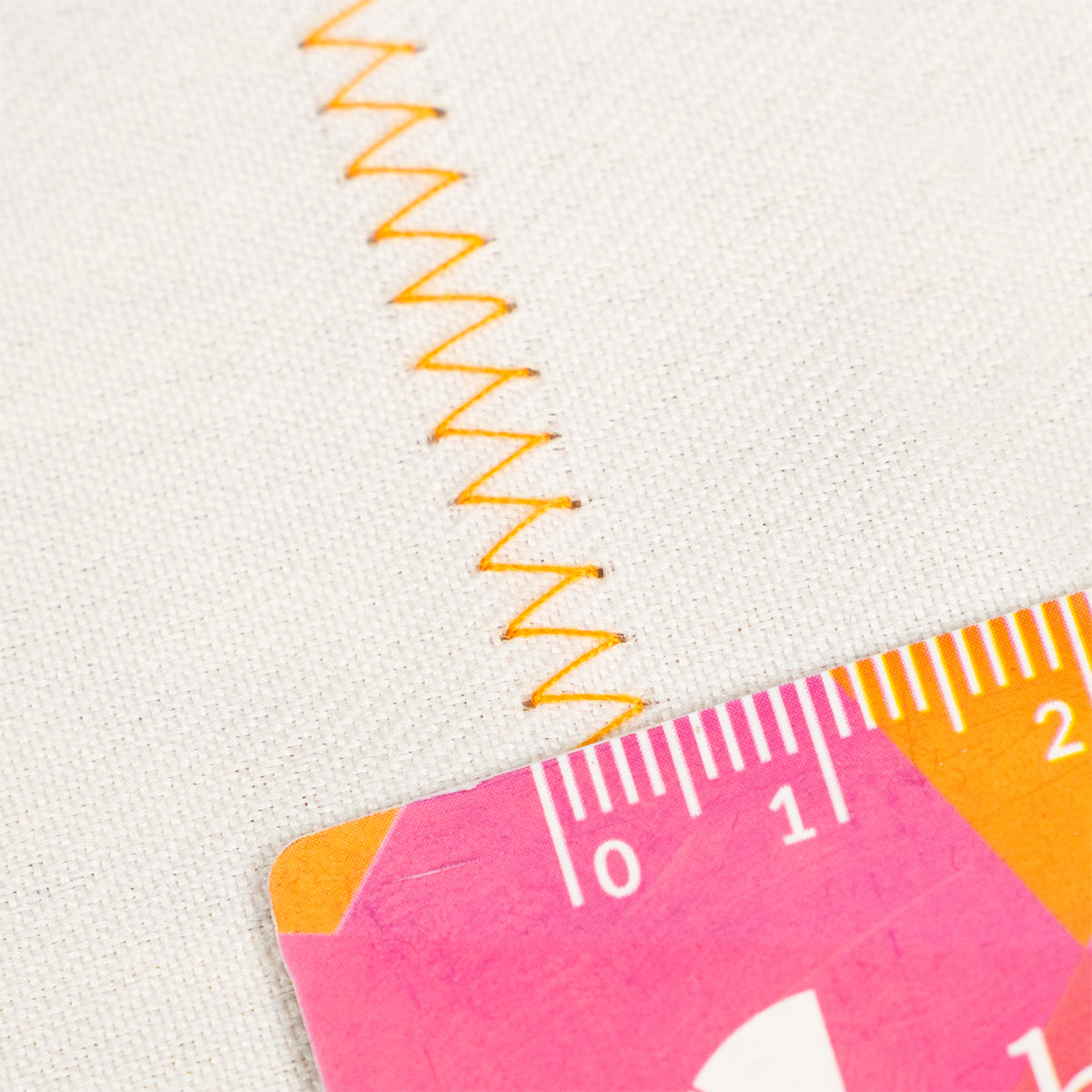
Imagine your machine sewing a zigzag stitch. The needle moves from left to right, and the widest distance it can travel is your machine’s maximum stitch width.
- A 5mm machine can sew up to 5mm wide
- A 7mm machine can sew up to 7mm wide
- A 9mm machine can sew up to 9mm wide
Keep in mind that although your machine may have a maximum stitch width, not all stitches will use the full width. For example, a machine classified as 9mm may still only sew a 7mm zigzag, with the extra width used for decorative stitches. We'll explain this in more detail later in this guide.
Why Does This Matter for Presser Feet?
Now that we understand stitch width, this is where presser feet come in.
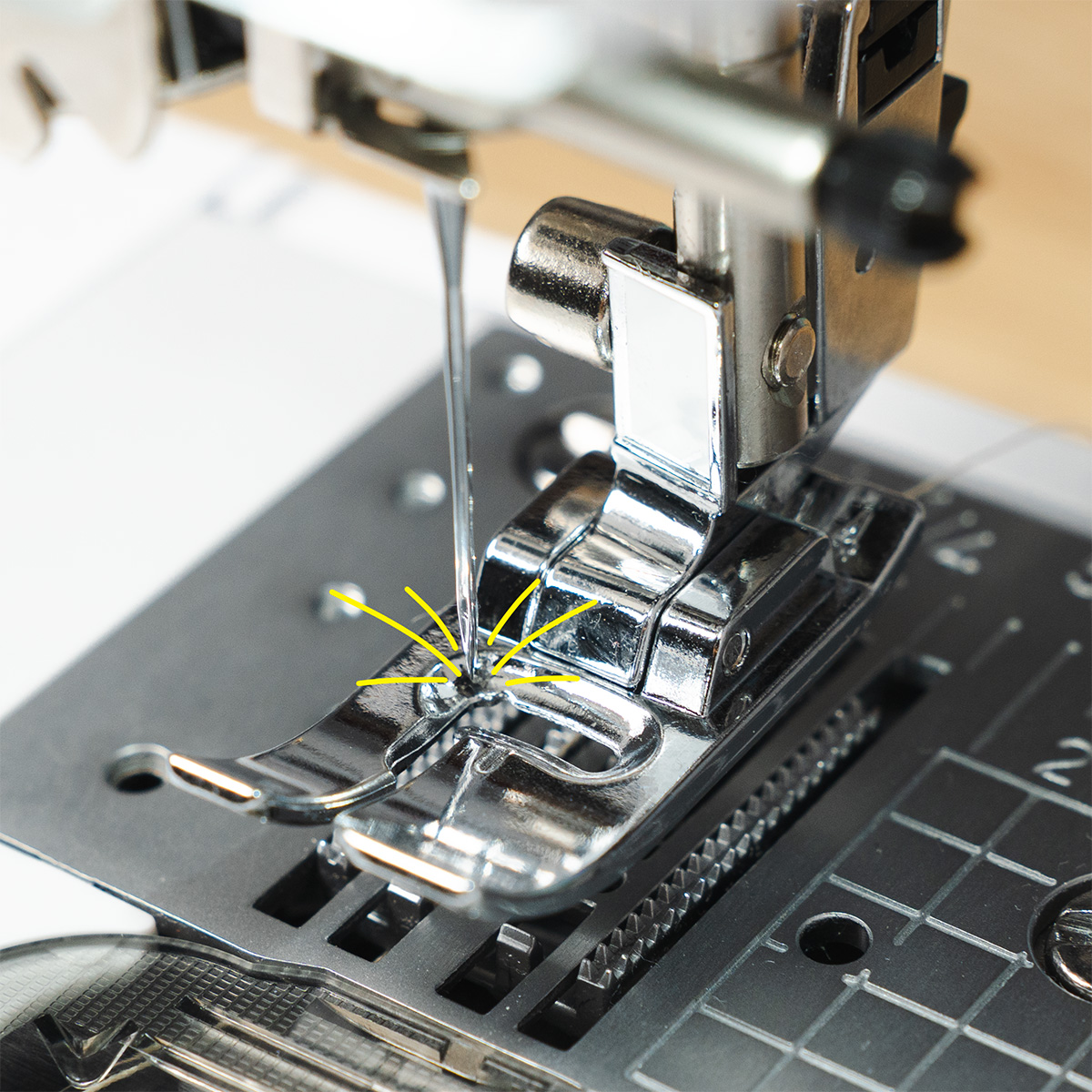
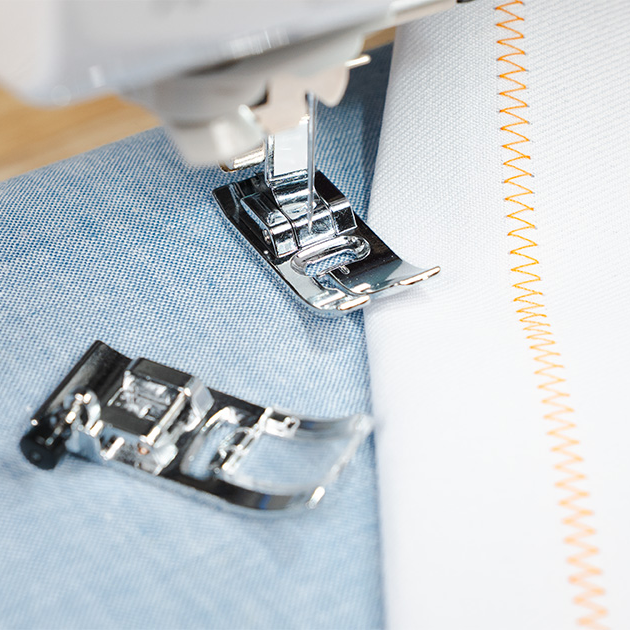
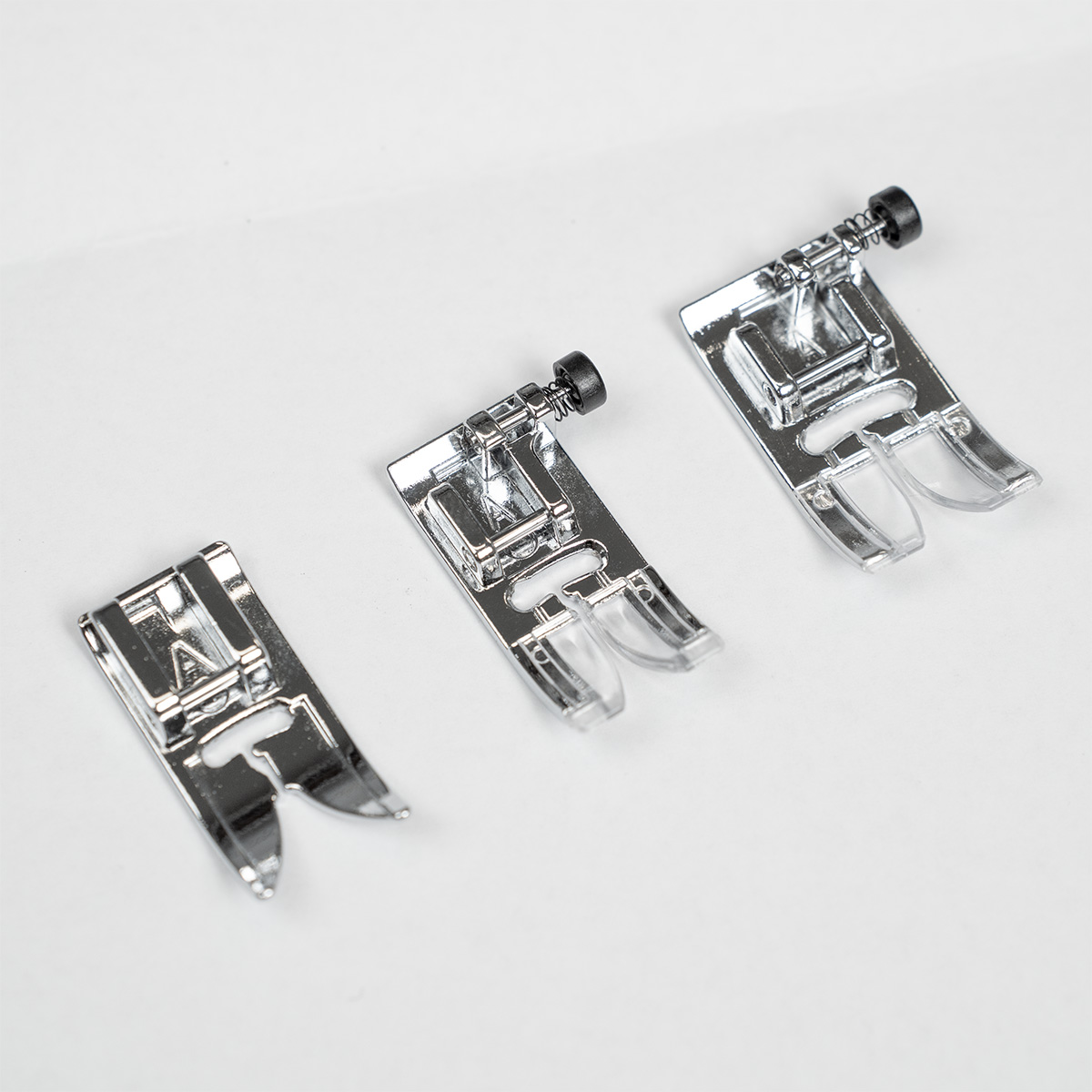
Every presser foot has a needle opening, or slot, that must accommodate your machine’s needle movement. That opening needs to be wide enough to allow the needle to move freely from left to right.
If it isn’t, you can run into problems such as:
- The needle hitting the presser foot
- Broken needles
- Damage to your machine
- Poor stitch quality
For example:
- Using a 5mm foot on a 7mm machine can be unsafe and may result in the needle striking the foot
- Using a 7mm foot on a 5mm machine is generally safe, but may offer less fabric support and precision
As a rule, your presser foot must always allow for your machine’s maximum needle movement.
How Do You Find Your Machine’s Maximum Stitch Width?
Computerised Machines
Select a zigzag stitch and increase the width until it reaches its limit. The highest value shown is your machine’s maximum stitch width.
Keep in mind that on some machines, particularly those classified as 9mm, the zigzag stitch may not reach the full width, with the extra width used for only decorative stitches.
Mechanical Machines
Mechanical machines do not display stitch width, so you will need to check it manually.
- Set your machine to its widest zigzag stitch
- Slowly turn the handwheel to move the needle from left to right
- Measure the distance between the far left and far right needle positions
This will give you an approximate maximum stitch width.
If you're still unsure, looking up your machine model online can often confirm the stitch width.
5mm vs 7mm vs 9mm: What’s the Difference?
In general:
5mm Machines
- Often entry-level or mechanical machines
- Narrower stitch capability
- Typically use smaller needle openings in presser feet
7mm Machines
- The most common for modern domestic machines
- A good balance of versatility and compatibility
- Most “universal” presser feet are designed for this range
9mm Machines
- Found on higher-end or feature-rich machines
- Designed for wider decorative stitches
- Often require wider or more specialised presser feet
While these machines are commonly referred to as 9mm machines, this does not always mean they sew a full 9mm zigzag stitch. In many cases, the extra width is used for decorative stitches, lettering, and satin stitching, while the standard zigzag stitch may still be closer to 7mm.
Some advanced domestic sewing machines can create decorative stitch patterns much wider than their maximum stitch width by feeding the fabric sideways as well as forwards. This is different from stitch width, which refers only to how far the needle moves from left to right.
Very wide zigzag stitching, such as a true 9mm zigzag, is more commonly found in industrial machines designed for specific applications. In domestic machines, the additional width is primarily used for decorative stitching rather than standard zigzag.
Why a Wider Foot Isn’t Always Better
It might seem like using a wider foot, for example a 7mm foot on a 5mm machine, would always be fine. In many cases, it is.
However, a wider needle opening means:
- Less fabric support around the needle
- More chance of fabric dipping into the opening
- Slightly reduced stitch precision
This is most noticeable when working with:
- Fine or delicate fabrics
- Detailed stitching
- Edge stitching or topstitching
For everyday sewing, you may not notice a difference. For more precise work, using the correct size foot will give better results.
Things to Consider When Choosing a Presser Foot
-
Machine Brand
Although many presser feet are described as universal, some are designed specifically for certain brands or models. Features such as automatic buttonholes, integrated sensors or dual-feed systems may require a genuine or machine-specific presser foot. -
Match the Stitch Width
Your presser foot must suit your machine’s maximum stitch width.
Using a foot with a smaller opening than your machine allows can result in the needle striking the foot and causing damage. -
Stitch Width vs Shank Type
These are often confused, but they are not the same.- Stitch Width (5mm / 7mm / 9mm) Refers to how far the needle moves side to side
- Shank Type (Low / High / Slant) Refers to how the presser foot attaches to the machine
You need to ensure both are compatible.
-
Clip-On vs Screw-On Feet
Not all sewing machines use the same method of attaching a presser foot.- Clip-on feet simply snap onto the presser foot holder and are the most common on modern domestic sewing machines.
- Screw-on feet attach directly to the presser bar with a screw and are more commonly found on older domestic machines and many industrial machines.
When purchasing a new presser foot, make sure you choose the correct attachment style for your machine.
-
Are “Universal” Feet Really Universal?
Many presser feet are sold as “universal”, particularly in the 7mm range.These suit most low-shank domestic machines, but there are exceptions:
- Some 9mm machines require wider or model-specific feet
- Certain specialty feet are designed for specific machines
- Features such as sensors or guides may not function the same
If you’re unsure, it’s best to check before purchasing.
Wider Isn’t Always Better
Using a wider foot, such as a 7mm foot on a 5mm machine, is generally safe.
However, it may result in:
- Less fabric support
- Reduced control on fine fabrics
- Slightly less precise stitching
Common Mistakes to Avoid
- Assuming all machines are 7mm
- Buying a foot based on brand without checking your model
- Using a narrower foot than your machine allows
- Confusing stitch width with other specifications
Understanding whether your machine is 5mm, 7mm, or 9mm comes down to one simple thing: how wide your zigzag stitch can go.
Once you know your machine’s maximum stitch width, choosing the right presser foot becomes much easier and helps you avoid costly mistakes.
If you’re ever unsure, check your model or ask before sewing. It is a quick step that can save you time, money, and frustration.