All Articles
Choosing the Right Hem
The right hem can make all the difference to the finish of your garment. From a simple folded edge to decorative piping or almost invisible stitching, each style has its place. We explore six popular hem finishes, how they are made and when to use them, helping you choose one that suits your fabric and project.
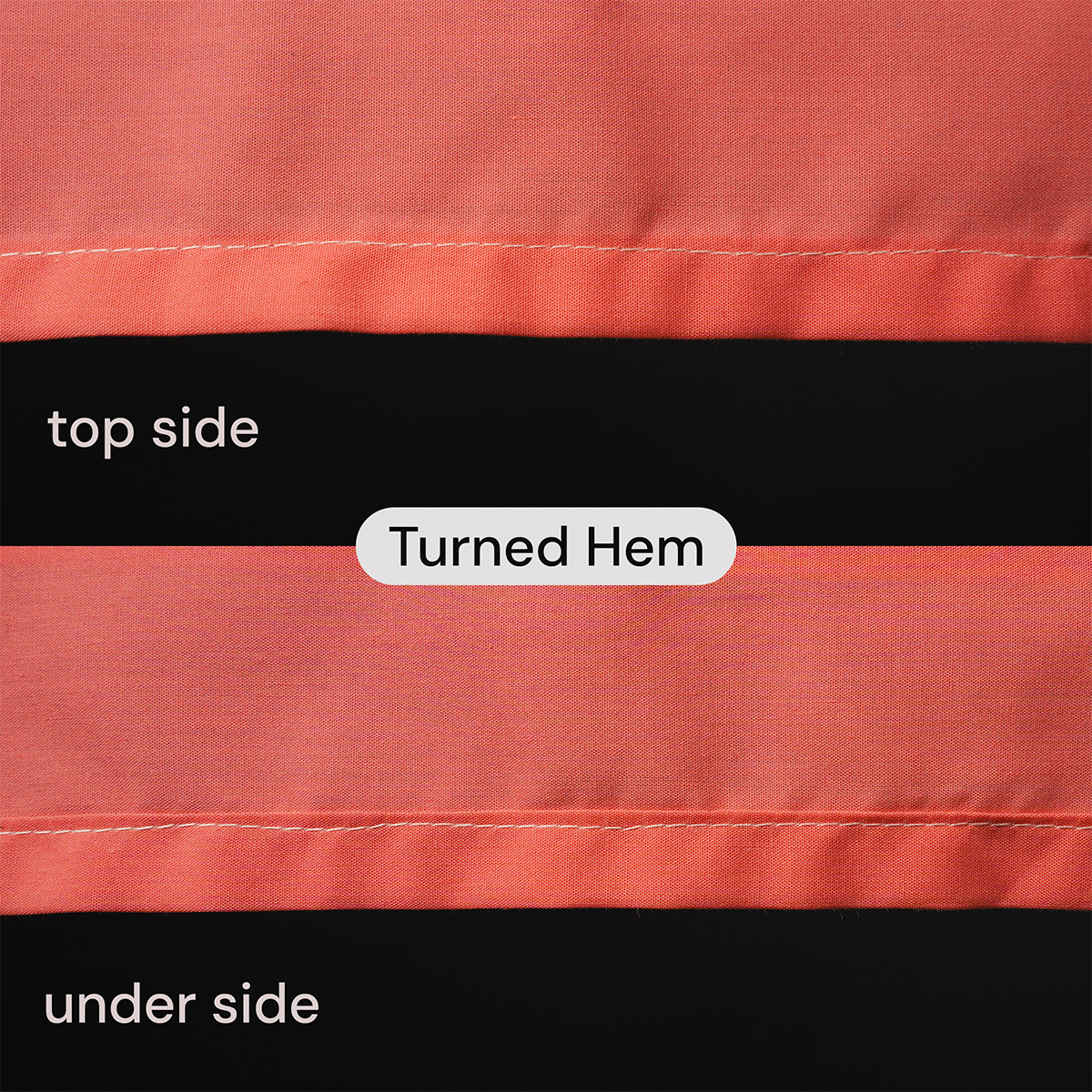
Turned Hem
A versatile choice for everyday sewing, a turned hem is created by folding the fabric edge to the inside and stitching it in place. A double fold neatly encloses the raw edge. It works well on straight or gently curved hems, but can become bulky on thick fabrics or difficult to ease around tight curves.
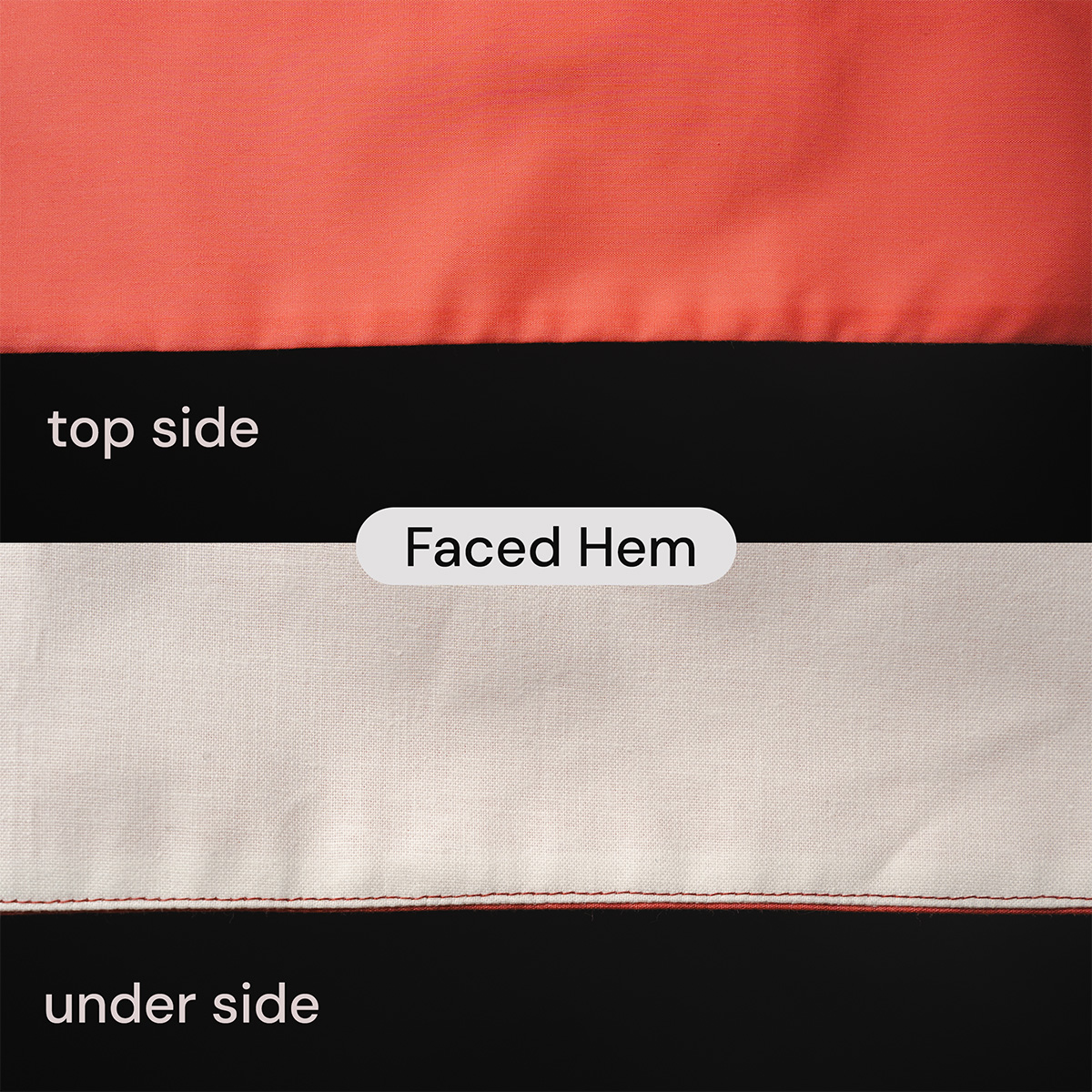
Watch Video on YouTube →Faced Hem
A faced hem uses a separate piece of fabric sewn to the garment edge, then turned to the inside and secured. It is particularly useful for curved or shaped hems where folding the main fabric could cause puckering or distortion. It takes a little more preparation, but helps create a smooth, neatly shaped edge.
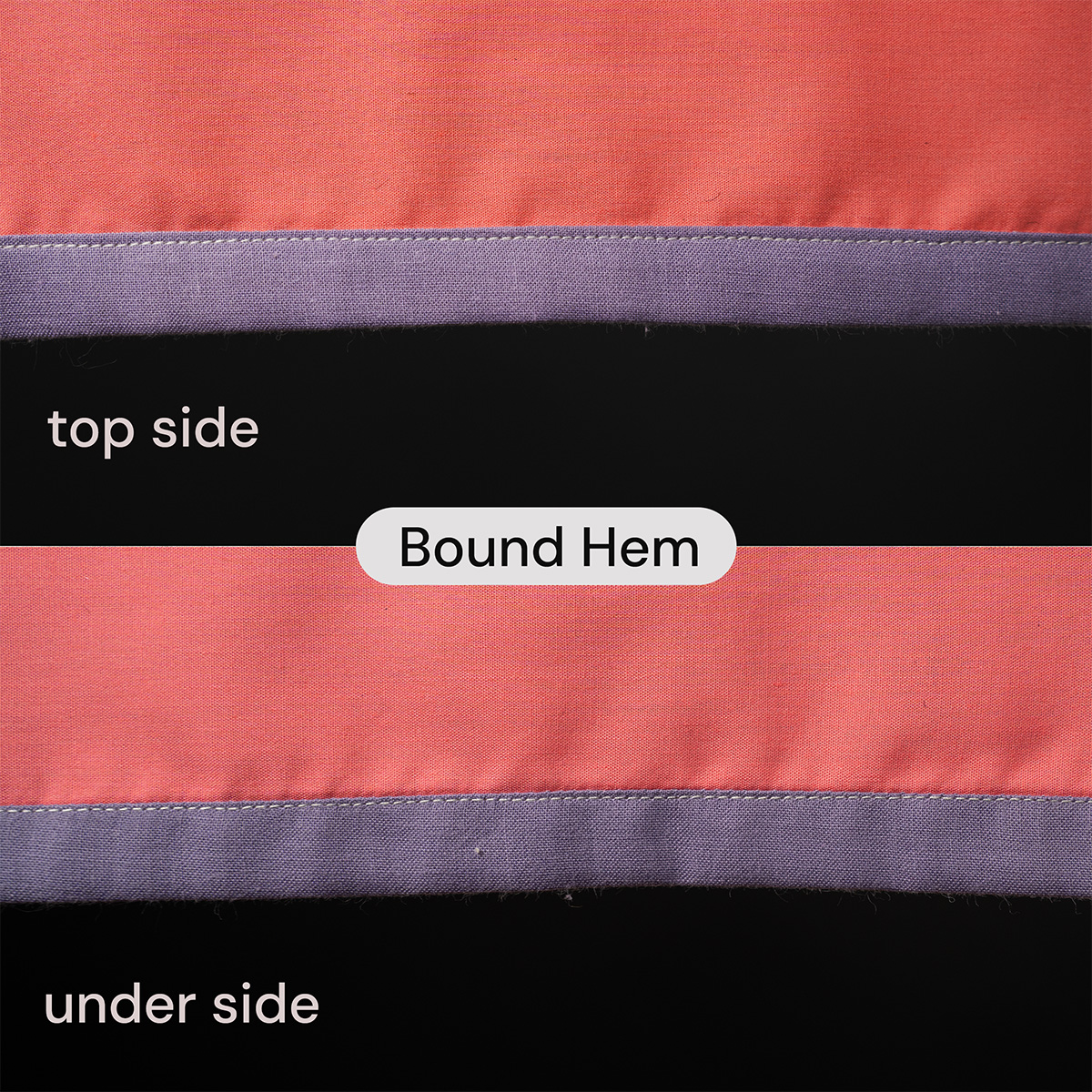
Watch Video on YouTube →Bound Hem
A bound hem encloses the raw edge with a separate strip of fabric, wrapping it around the edge and stitching it in place. It adds a decorative detail and works well on curved edges and lightweight to medium-weight fabrics. On thicker fabrics, the extra layers can create unwanted bulk.
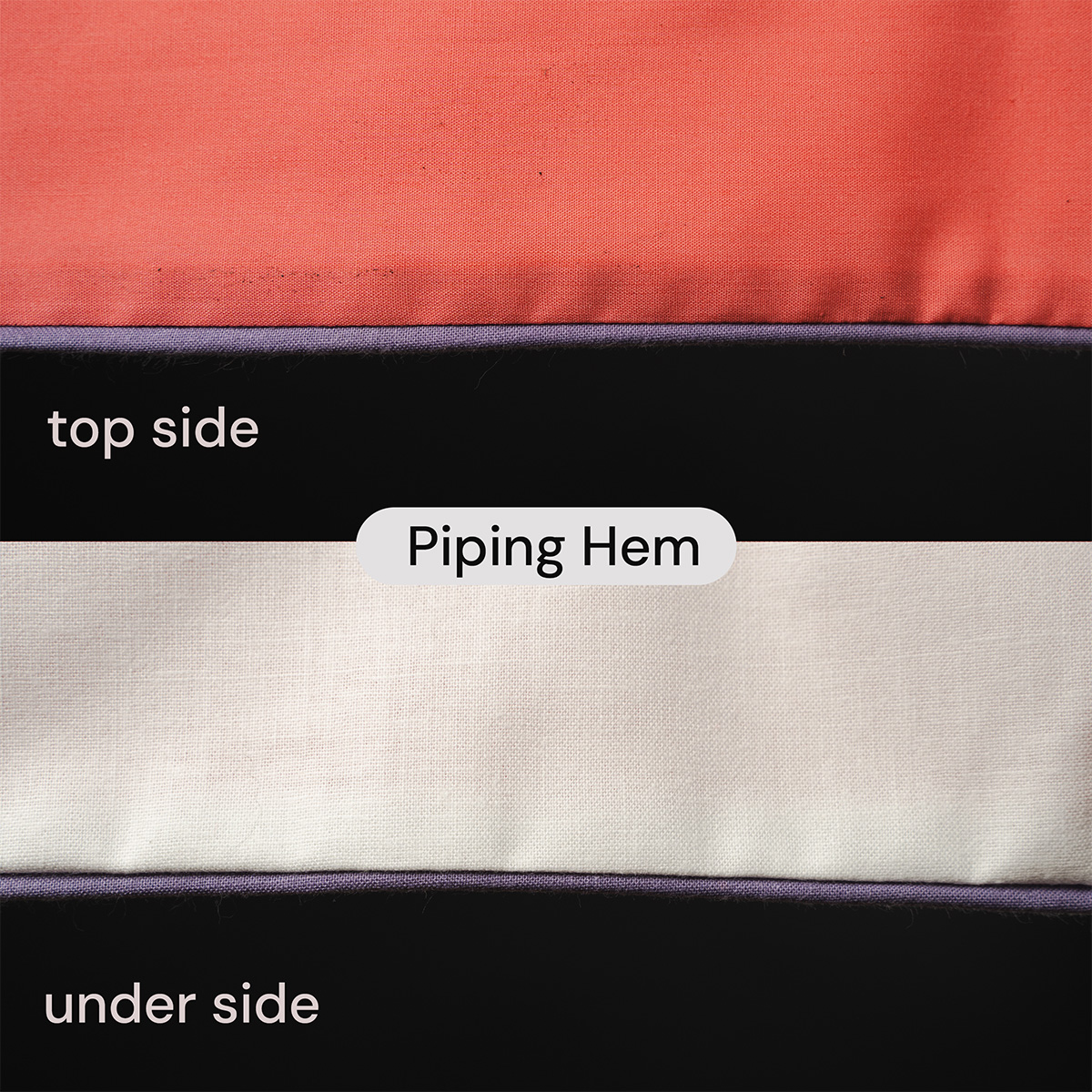
Watch Video on YouTube →Piping Hem
For a decorative edge with definition, a piping hem features a narrow, fabric-covered cord sewn between the main fabric and a lining or facing. The cord remains visible along the finished edge. It adds detail to cotton and medium-weight garments, but may be too heavy for delicate fabrics such as organza.
Watch Video on YouTube →Coverstitched Hem
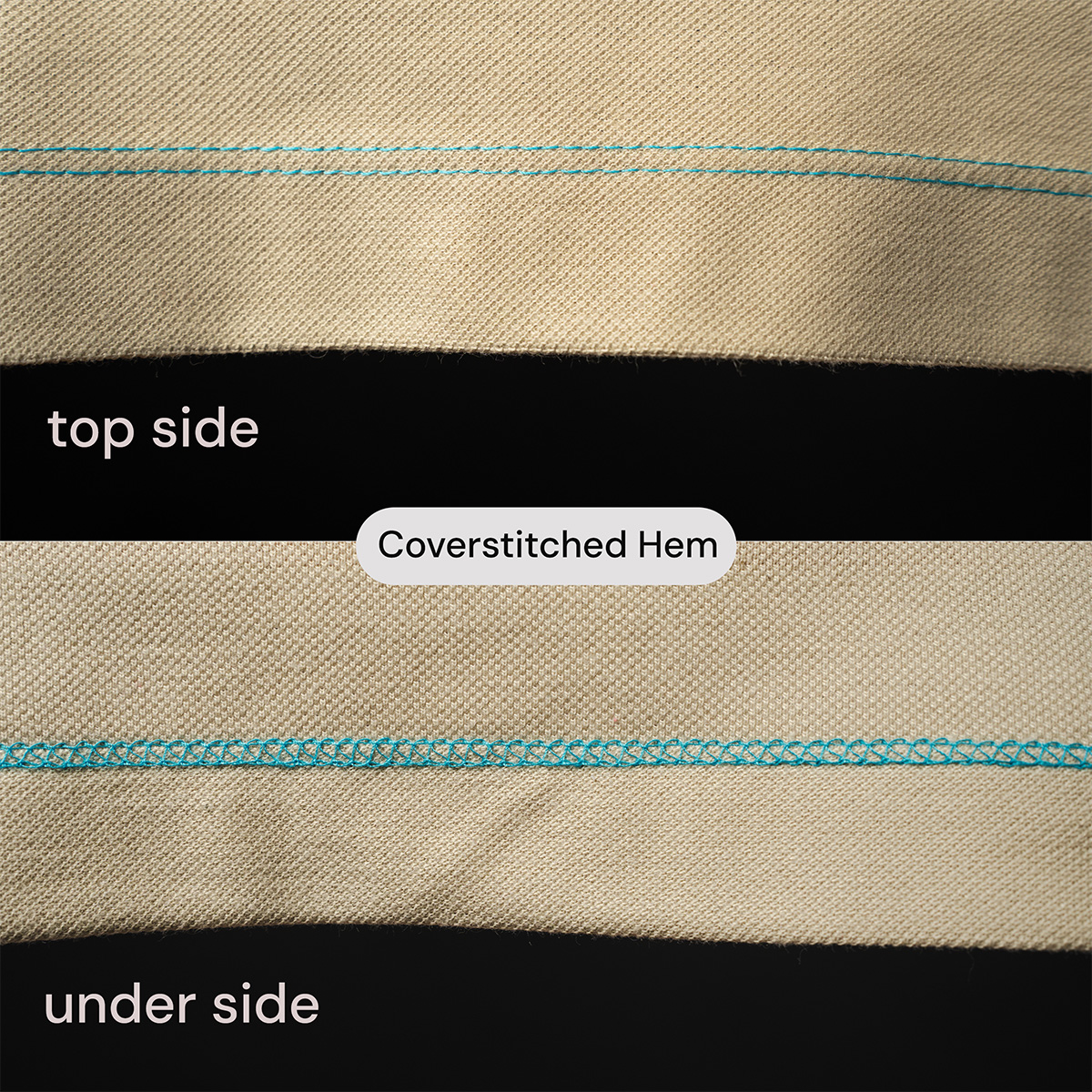
A coverstitched hem has two or three parallel rows of stitching on the right side, with looper stitching underneath. Created using a coverstitch machine, this finish is ideal for knit and stretch fabrics, allowing the hem to move with the garment. It is a popular choice for T-shirts and other stretchy clothing.
Watch Video on YouTube →Blind Hem
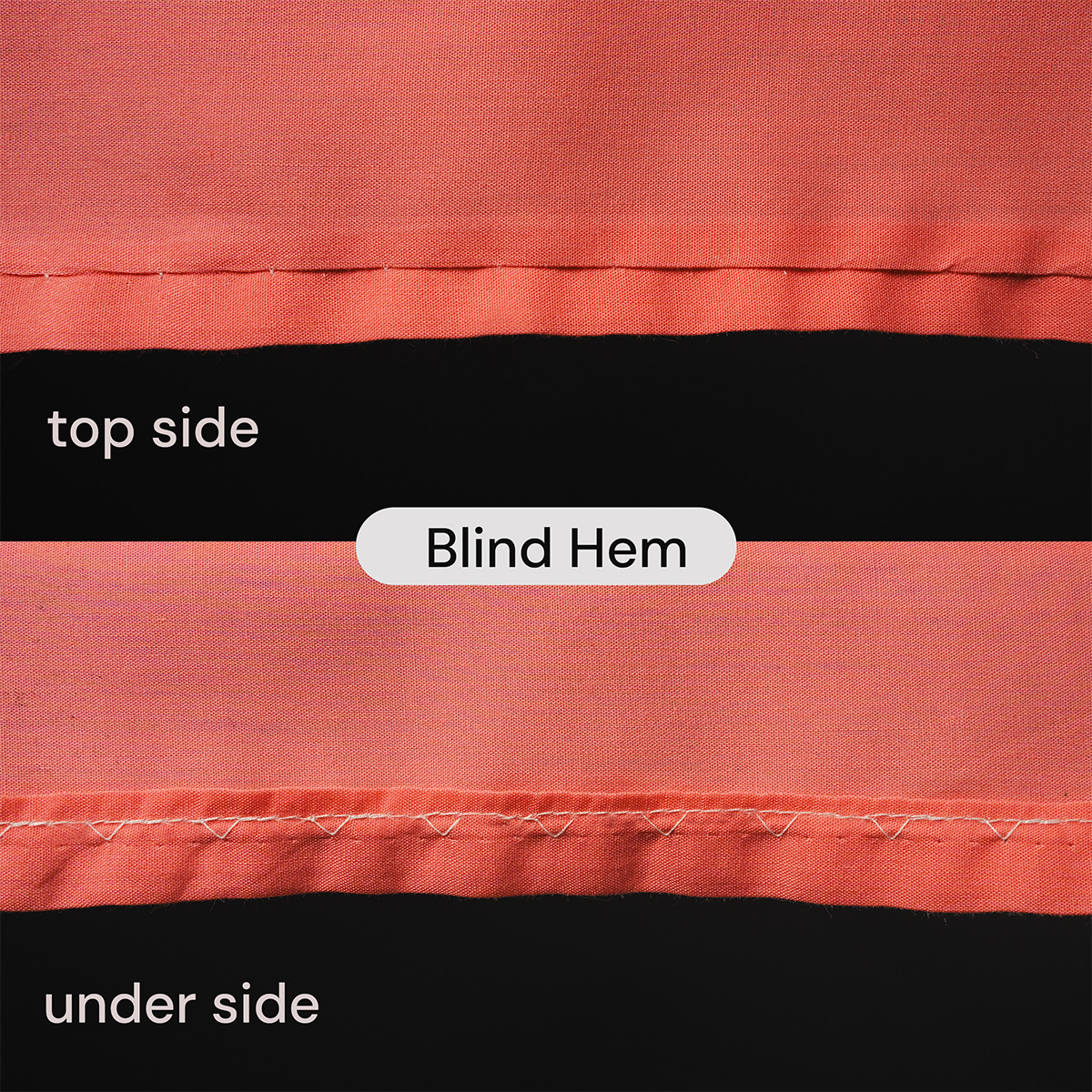
A blind hem uses a stitch that catches just a few threads of the outer fabric, leaving the stitching almost invisible from the right side. It is ideal when you want a discreet finish, particularly on medium to heavyweight woven fabrics where the small stitches can blend into the fabric.
Watch Video on YouTube →Hem Hacks for Beginners
Ready to put your hemming skills into practice? In the video below, we share three simple tips to help you achieve neater, more even hems. Learn how sewing with the fold facing up can improve stitch placement, why marking and pressing make a difference, and how to create your own handy cardboard hem guide.