All Articles
Single vs Multi-needle Embroidery Machines
If you've spent any time exploring machine embroidery, you've probably come across multi-needle embroidery machines. They promise faster stitching, automatic colour changes and the ability to tackle more challenging projects, but are they really that different from a traditional single-needle embroidery machine?
The short answer is yes.
While both types of machines produce beautiful embroidery, they are built with different purposes in mind. Single-needle machines are ideal for hobbyists and occasional embroidery, while multi-needle machines borrow many features from commercial embroidery equipment to improve efficiency, stability and versatility.
This guide explains the real engineering differences between the two, helping you understand how they affect embroidery quality, ease of use and the types of projects you can complete.
What Is a Multi-Needle Embroidery Machine?
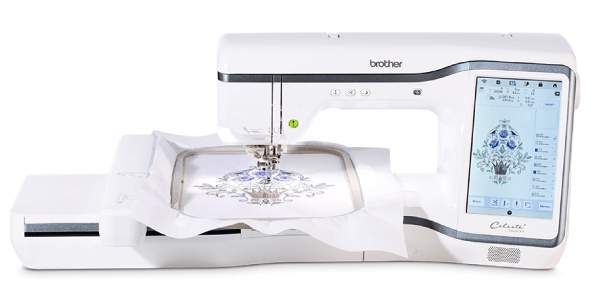
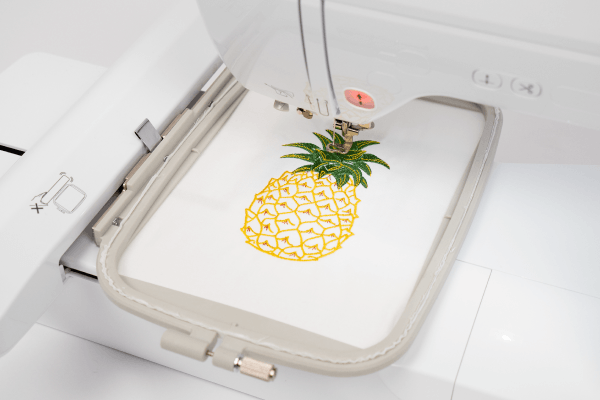
A single-needle embroidery machine uses one needle, meaning every thread colour change requires the operator to switch threads before continuing.
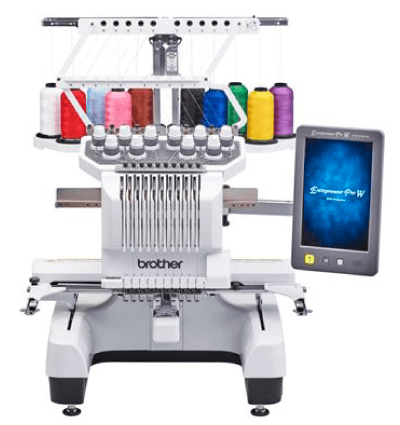
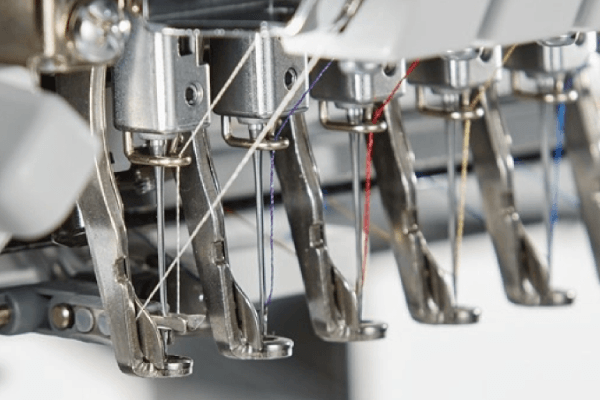
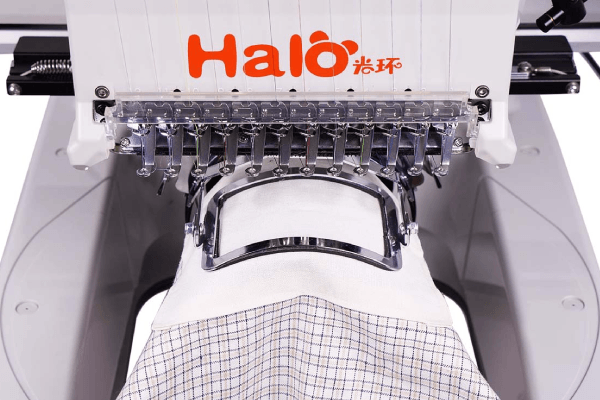
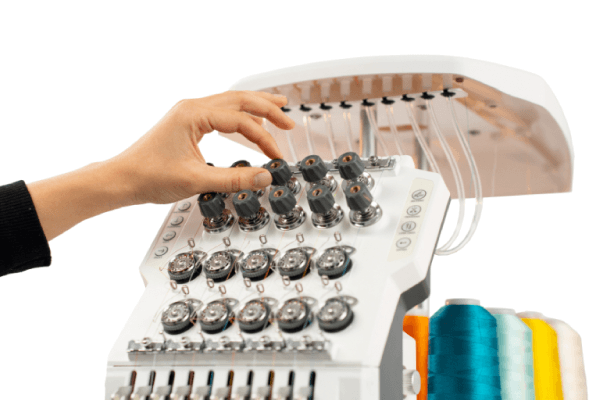
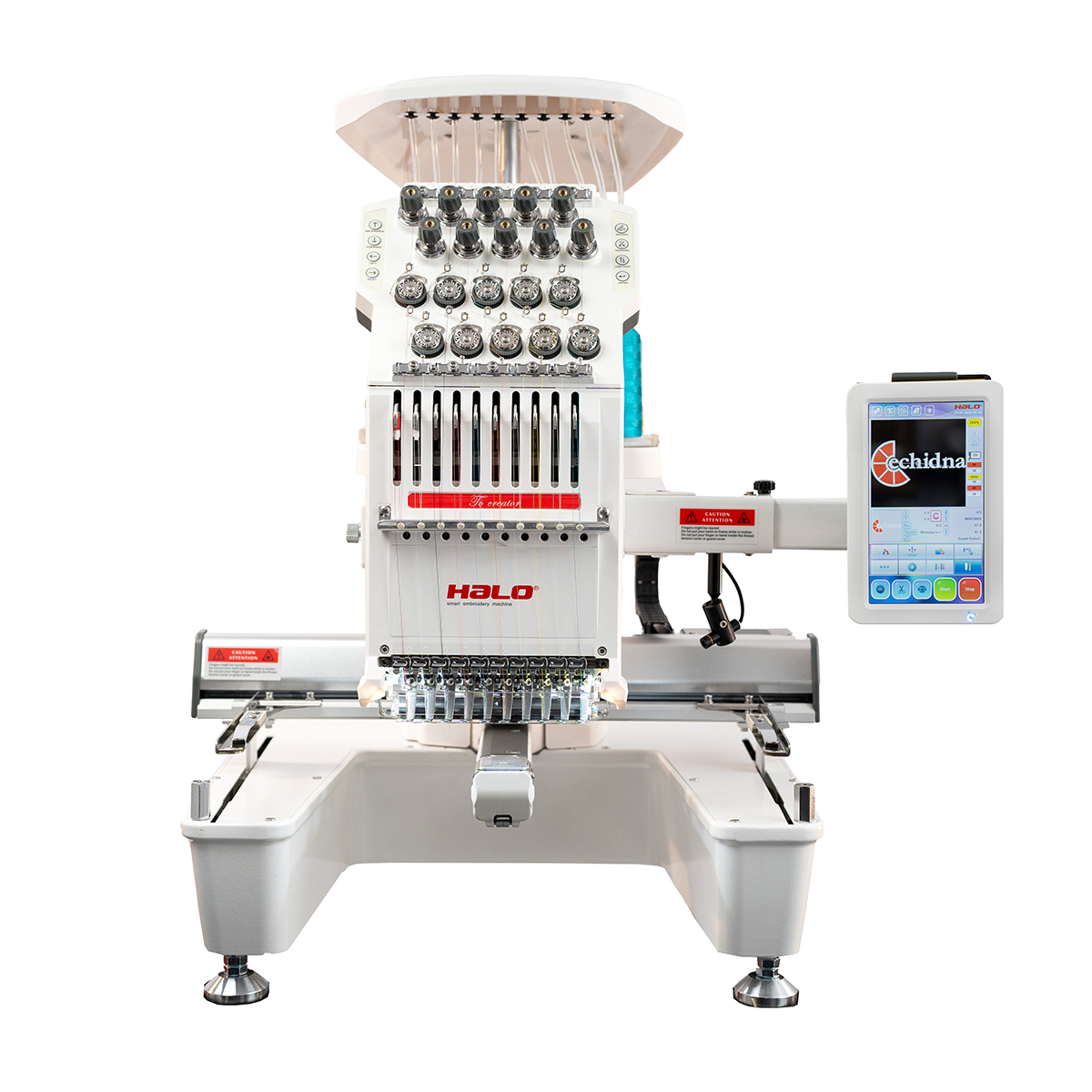
A multi-needle embroidery machine has multiple needles threaded with different colours. When the design reaches a colour change, the machine automatically rotates to the next needle and continues stitching without interruption.
This simple difference dramatically changes the embroidery experience.
Instead of stopping to change threads every few minutes, the machine handles colour changes automatically, allowing you to focus on preparing the next project rather than supervising the current one.
Modern multi-needle machines are available in a range of sizes, from compact models suitable for home sewing rooms through to larger commercial production machines designed for continuous operation.
Speed Isn't Just About Stitches Per Minute
When comparing embroidery machines, many people focus on stitches per minute (SPM).
While multi-needle machines are generally capable of higher stitching speeds, that's only part of the story.
The biggest time savings come from reducing interruptions.
With a single-needle machine, every colour change usually means:
- Waiting for the machine to stop
- Removing the current thread
- Threading the next colour
- Restarting the design
On a design with ten or fifteen colour changes, those interruptions quickly add up.
A multi-needle machine automatically changes to the next thread colour, significantly reducing the amount of operator involvement. This means less time watching the machine and more time preparing garments, hooping the next project or working on other tasks.
For anyone producing multiple items or running a small embroidery business, these time savings can make a substantial difference over the course of a day.
Hoop Stability Makes a Bigger Difference Than Most People Realise
One of the biggest differences between domestic and commercial-style embroidery machines is something many people rarely think about, the embroidery hoop itself.
The embroidery hoop is responsible for holding your fabric securely while the machine moves it thousands of times during stitching. Even the slightest movement can affect the finished result.
Many single-needle embroidery machines use a hoop that attaches to the machine at a single point. While perfectly adequate for many everyday projects, heavier fabrics can place greater stress on this attachment.
Commercial-style multi-needle machines typically use a more rigid frame system with dual attachment points. This provides improved stability and helps minimise unwanted movement during embroidery.
Many multi-needle machines also offer optional specialty frames, including round embroidery frames. Unlike traditional rectangular hoops, round frames apply tension more evenly around the entire embroidery area. This helps improve fabric stability and can reduce distortion, particularly on smaller, dense or highly detailed designs. For this reason, round frames are widely used in commercial embroidery where consistent, repeatable results are important.
The benefits include:
- Better design registration
- Improved accuracy on detailed designs
- More consistent results on thick fabrics
- Less movement when stitching towels, robes and heavy garments
- Better support when using multiple layers of stabiliser
- Greater flexibility through specialty frames designed for specific embroidery applications
This improved hoop stability is one of the reasons commercial-style embroidery machines often produce cleaner, more consistent embroidery on challenging materials.
Tubular Embroidery Opens Up More Possibilities
If you've ever tried embroidering a sleeve, pant leg or tote bag on a flat-bed embroidery machine, you'll understand the challenge.
The second layer of fabric can easily become trapped underneath the hoop, accidentally stitching parts of the garment together.
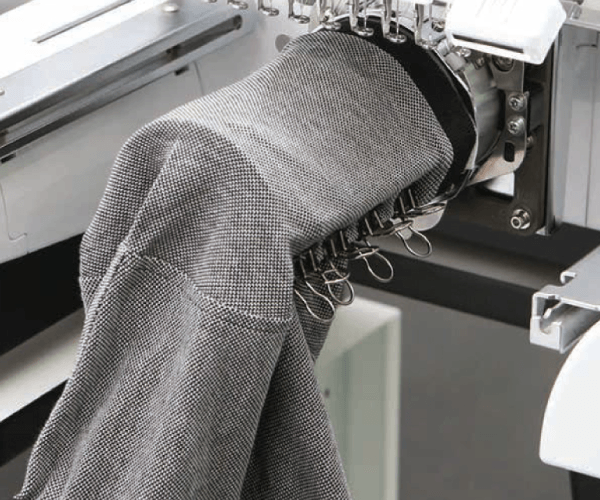
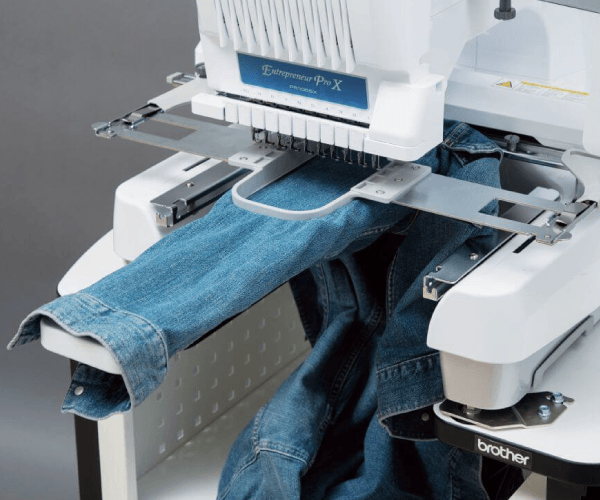
Many multi-needle embroidery machines are built around a tubular (free-arm) design.
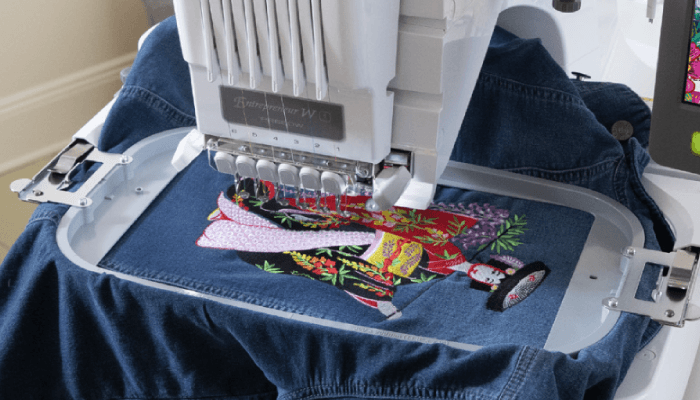
Instead of laying the entire garment flat beneath the machine, the tubular arm allows sleeves, bags and other cylindrical items to slide around the machine arm while only the embroidery area remains hooped.
This makes embroidering many difficult items significantly easier, including:
- Sleeves
- Polo shirts
- Jackets
- Jeans
- Tote bags
- Backpacks
- Aprons
- Children's clothing
- Socks (with suitable accessories)
For many embroiderers, tubular embroidery is one of the biggest advantages of moving to a commercial-style machine.
Larger Embroidery Areas Mean Fewer Limitations
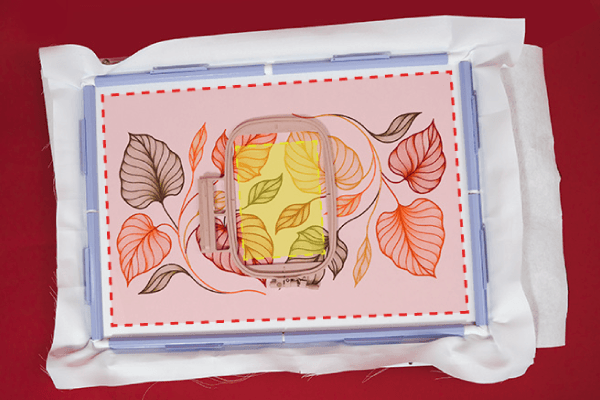
Every embroidery machine has a maximum embroidery field determined by its frame system.
Many multi-needle machines offer larger embroidery areas than typical domestic embroidery machines, allowing larger designs to be stitched in a single hooping.
This is particularly useful for:
- Jacket backs
- Large logos
- Quilt blocks
- Table runners
- Decorative home décor
- Large monograms
Larger embroidery areas also reduce the need to split designs into multiple hoopings, making alignment easier and reducing the risk of visible joins.
Commercial Frame Systems Expand What You Can Embroider
Beyond standard embroidery hoops, many multi-needle machines support specialised framing systems designed for particular applications.
Depending on the machine, accessories may include:
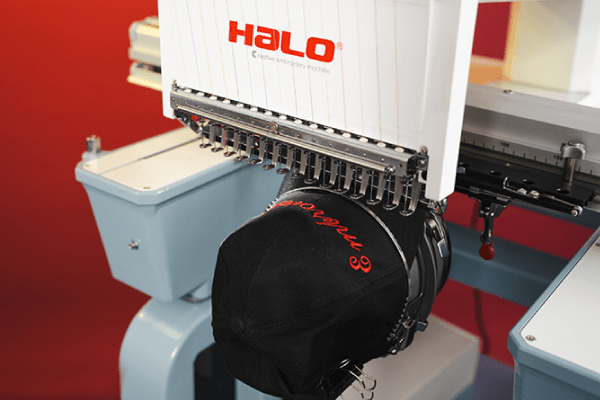
Cap Frames
Designed specifically for embroidering structured and unstructured caps while maintaining proper alignment across the curved surface.
Pocket and Clamp Frames
Designed for smaller items or garments that cannot easily be hooped using traditional methods.
These specialised frames significantly expand the range of projects that can be embroidered while often reducing setup time.
Thread Tension Is Different Too
Thread tension is one of the most misunderstood aspects of machine embroidery.
Good tension is essential for producing clean, balanced stitches. Poor tension can cause problems such as:
- Thread breakage
- Puckering
- Looping
- Poor registration
- Bobbin thread showing on top
- Inconsistent stitch quality
Although every machine uses thread tension, the way that tension is applied can differ.
Many domestic embroidery machines use a traditional compression-style tension system that presses the thread between tension discs.
Commercial-style embroidery machines commonly use rotary-style tension systems that allow thread to feed more consistently, particularly at higher stitching speeds.
The result is smoother thread delivery, more consistent stitch formation and reduced tension-related issues when properly adjusted.
Regardless of the machine type, correct tension, quality thread, suitable needles and proper stabilising remain essential for achieving professional-looking embroidery.
Built for Productivity
Multi-needle embroidery machines include a range of features designed to reduce operator involvement and improve workflow.
Depending on the model, these may include:
- Automatic thread colour changes
- Automatic thread trimming
- Thread break detection
- Needle selection memory
- Design positioning tools
- Laser or camera alignment systems
- Larger embroidery memory
- Network or USB design transfer
These features don't necessarily improve the quality of a design on their own, but they make embroidery faster, easier and more efficient.
Do Multi-Needle Machines Produce Better Embroidery?
Not automatically.
A multi-needle machine cannot compensate for poor digitizing, incorrect stabilizer, low-quality thread or improper hooping.
Beautiful embroidery still depends on:
- Good digitizing
- Correct stabilizer selection
- Appropriate needles
- Quality thread
- Proper hooping
- Suitable machine settings
However, the improved stability, stronger frame systems and commercial-style engineering found on many multi-needle machines often make it easier to achieve consistent, repeatable results, particularly on more challenging projects.
Is a Multi-Needle Machine Right for You?
A single-needle embroidery machine may be the better choice if you:
- Mainly embroider for personal enjoyment
- Create occasional gifts
- Mostly stitch smaller, simple designs
- Don't mind changing thread colours manually
A multi-needle embroidery machine may be worth considering if you:
- Embroider regularly
- Stitch designs with frequent colour changes
- Personalise garments for family or customers
- Embroider hats, bags or sleeves
- Want to reduce setup time and increase productivity
- Are planning to start or grow an embroidery business
For many embroiderers, upgrading isn't simply about stitching faster, it's about making embroidery more enjoyable and opening the door to projects that may have previously been difficult or time-consuming.
Frequently Asked Questions
Not necessarily. While they include more features, many users find them easier to operate because automatic colour changes and commercial-style controls reduce the amount of manual intervention required.
Absolutely. Although there is more to learn initially, many beginners quickly become comfortable with multi-needle machines, especially if they plan to embroider regularly.
Most modern machines use standard embroidery file formats. As long as the design is compatible with your machine, the same embroidery designs can generally be used on both single and multi-needle machines.
Many multi-needle machines can embroider caps when fitted with a compatible cap frame. This is a feature that is generally unavailable on most traditional domestic embroidery machines.
Yes. Regardless of the machine you own, choosing the correct stabilizer remains one of the most important factors in producing high-quality embroidery.
Both single-needle and multi-needle embroidery machines have their place, and neither is universally "better" than the other.
The right choice depends on the types of projects you create, how often you embroider and whether productivity is important to you.
If you mainly embroider for enjoyment, a single-needle machine may provide everything you need. If you're tackling larger projects, personalising garments regularly or building an embroidery business, the commercial-inspired features of a multi-needle machine can save time, improve consistency and greatly expand what you can create.
Understanding the engineering behind these machines makes it much easier to choose the one that best suits your embroidery journey, both now and in the future.